
There are several important aspects to consider for proper maintenance of your turkey veneers. If they are not taken care of properly, they can cause damage to the tooth root and enamel. Although natural teeth are similar in care, it is important to properly care for dental veneers. Learn more about how to take care of your dental veneers. Keep your teeth clean and avoid chewy foods.
Do Veneers Need Maintenance?
Are veneers maintenance-free? Yes, but they will need some regular cleaning and inspections from your dentist. You should visit your dentist every six months for a professional cleaning. Your veneers will last about 10 years. They are not covered by dental insurance. Ask your dental provider if veneers will be covered if you have a dental insurance plan. Most policies do not. Nevertheless, veneers can be a great choice for people with high-maintenance teeth.
If you have recently had veneers placed in your teeth, you can increase their life span by following some basic maintenance habits. Regular brushing and flossing of your teeth is important. Brush your veneers at a minimum twice daily and rinse your mouth with a non-alcoholic after-eating. These simple steps will help you preserve the beauty of your veneers over time. Your dentist can help you if you have concerns about the appearance of your veneers.
Regular cleaning is the best way to prevent staining. Rinsing with water is also an effective way to remove stains. Make sure you use the right toothpaste to maintain your veneers. Try a polishing toothpaste that does not contain baking soda. Avoid alcohol and caffeine. These substances can cause your veneers to turn a duller color. The veneers can also be damaged by smoking. They can become loose or pulled from your gums.
How to Care for Veneers
Dental veneers are a thin layer of porcelain or a composite resin bonded onto your teeth. These custom-made shells can cover many cosmetic issues and help you achieve a beautiful smile. With proper care and maintenance, your veneers should last for a decade or more. Here are some steps to take to maintain veneers.
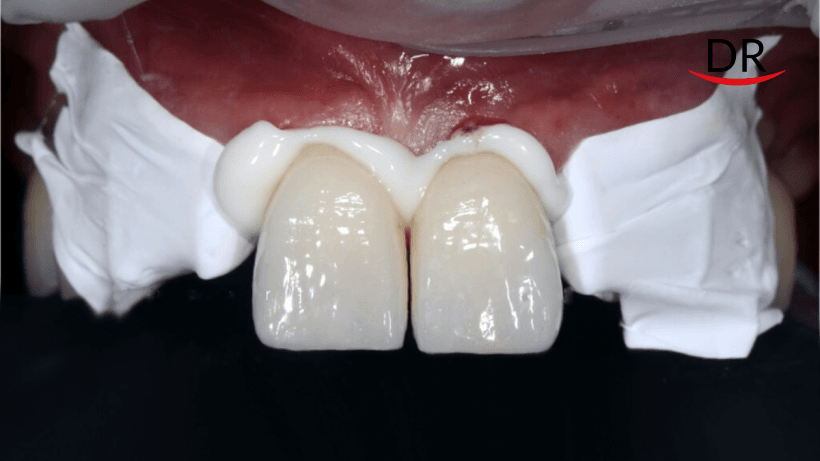
Brush your teeth twice daily and floss after meals. Veneers can be damaged by excessive staining or gum disease, so it is very important to clean them regularly. Avoid smoking, as it can cause unsightly yellow spots. Although porcelain is stain-resistant the bonding material used for their attachment is still susceptible to stains. Your dentist should be seen at least twice per year to ensure that your veneers last a long time.
Veneers are extremely durable but can be chipped if you eat the wrong foods. To help protect your veneers, avoid chewing on hard objects or biting directly into them. Stress-related clenching and grinding your teeth is also an issue. Wearing a nightguard or other protective device can help protect your teeth from damage. You can also consult a dental professional if you suspect that your veneers are damaged.
Good Oral Hygiene
Proper oral hygiene is crucial for the longevity and beauty of your veneers. To keep your veneers in top condition, you should brush your teeth twice daily with toothpaste that does not contain any gritty ingredients. You should also floss once per day. You should avoid excessive alcohol exposure, which can soften the bonding agent in your veneers. An antiseptic mouthwash is also a good idea as alcohol can cause damage to the bonding agent.
Although dental veneers are made of composite material that will not stain your natural teeth, you should still follow a daily oral hygiene regimen. Use a soft-bristled toothbrush with non-abrasive toothpaste. You should floss every day and use a dental care product with a seal of approval. Brushing your teeth with an antibacterial mouthwash is also a good idea. Cavities can also be prevented by good oral hygiene.
Maintaining regular dental checkups is the most important aspect of your oral hygiene. Regular dental checkups will help prevent cavities and gum disease and keep your veneers looking great. Your dentist will inspect your teeth for signs of gum disease, periodontitis and problems with veneers during your regular appointments. You may notice that your veneers look less attractive if you neglect to take care of your teeth.
Say No to Hard or Chewy Foods
To protect your new veneers, you must say “No” too hard and chewy foods. These foods can cause damage as they are more likely to cause damage to restorations. Even chewing on small pieces of meat can displace your veneers. Sticky foods like caramels and candies are another problem. These can pull on temporary veneers, as well as newly placed final veneers.
While your new veneers are still in their temporary state, you will want to eat soft, mild-tasting foods. For several days, avoid chewy or hard foods. The procedure may take longer to heal so make sure you follow your dentist’s instructions for proper oral care. Be sure to brush your veneers between appointments. You may even be given a nightguard to protect your new veneers during sleep.
To care for your new veneers, you should eat a balanced diet and brush your teeth every time after eating. Rinse your mouth with mouthwash after every meal to minimize bacterial buildup. A non-alcoholic mouthwash helps freshen your mouth after meals and remove any debris from the veneers. These guidelines will help you care for your veneers properly if you are not sure.
Skip Having Stain-inducing Foods and Beverages
Porcelain veneers are extremely durable and resistant, but bad habits can cause them to be damaged. If you have veneers, avoid opening cap-like packages with your teeth. Instead, use scissors to open the packaging. Save your teeth for chewing food instead. Avoid these foods and beverages if you want to maximize the life of your veneers. Listed below are some good habits to have when you have veneers:
While it is impossible to avoid all stain-causing foods and drinks, there are some common ones that can negatively affect your veneers. Red wine, dark berries, tomato sauce, and tea are known stain-causing foods. If you do consume these foods and beverages after getting your veneers, they will be more difficult to remove. Using a straw while drinking wine or other acidic beverages is also a good idea.
Regular Brushing and Rinsing
Dental veneers are extremely durable, stain-resistant and cavity-resistant. However, they can still be susceptible to a range of oral health problems including cavities. For optimal health, however, regular brushing and rinsing are still essential. Brush your teeth at least twice a day and rinse your mouth after eating. To remove food debris and refresh your mouth, use a non-alcoholic mouthwash. Your veneers will last longer if you rinse your mouth after eating.
The care of veneers is the same as caring for natural teeth. It is important to brush your teeth twice daily to keep them looking their best. Using a soft-bristled toothbrush to brush your teeth will help remove the pellicle layer that forms on the crown and attracts stains. Rinsing your mouth after eating color-saturated foods and beverages will help prevent staining. After brushing, use mouthwash to wash away plaque and bacteria, and chew sugarless gum to help remove buildup.
After the procedure, you will be given a temporary or composite veneer. This protective covering is placed on your teeth, preserving their shape and contour while you wait for your permanent veneers to be applied. During this time, you must avoid eating sticky foods while wearing a temporary veneer, because it may fall off and cause recurrent caries. You may also want to avoid chewy foods while wearing your temporary veneer, as the glue that holds them in place is designed to be removable.
Invest in a Mouthguard or Bite Guard
Your new smile can be protected by a custom-fit mouthguard or bite guard for veneers. Tooth enamel is the hardest material in the body. However, grinding and clenching can cause severe damage. This wear can lead to flattening, chipping, and even breaking of dental work. Investing in a bite guard or mouthguard can protect your investment and keep your smile looking its best for years to come.
Protecting porcelain veneers is crucial if you plan to purchase them. Porcelain veneers are not impervious to damage and bonding can’t fix them. You can protect your smile by wearing a protective guard at night. While you may be tempted to buy a mouthguard off the shelf, it’s important to remember that these teeth are not reversible.
Porcelain veneers can be very expensive. They can cost over $2400 per tooth in New York City. Cosmetic dental care is not covered under insurance. This means that you could spend thousands to repair damage to veneers. To protect your new smile, you can purchase a custom-made nightguard. A night guard can be as low as $150
Change Your Toothbrush
If you’ve recently had dental veneers placed, you’ve probably heard that changing your toothbrush can affect the health of your new smile. It’s true, it’s important to keep your veneers clean and to avoid chewing on hard objects, which can damage your teeth and ruin your new smile. If you don’t want your veneers to be worn out in a few years’ time, it’s important to replace your toothbrush. These are some tips to help you maintain your veneers in top condition.
When you change your toothbrush for veneers, you must make sure that you’re using the correct one. Waxed nylon floss can be effective, but it can be difficult to slide between tight contacts. PTFE floss, made of the same material as high-tech Gore-Tex fabrics, is less likely to shred. A popular brand of PTFE floss is Glide Pro Health. Floss can also be an important part of your oral care routine, especially if you’re undergoing a dental procedure.
 SteamEastUS